
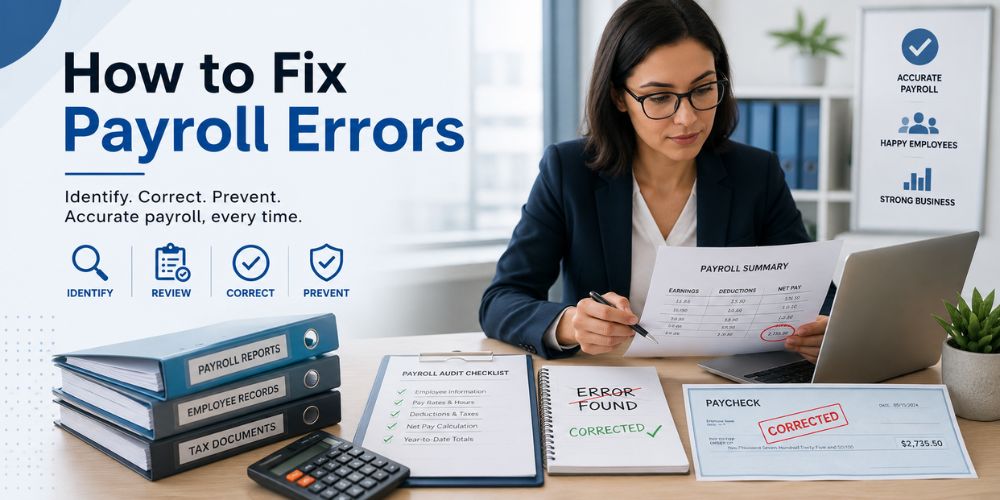
Payroll errors have a way of becoming loud fast. One missing hour, one wrong rate, one deduction that did not pull through, then payday turns into a trust problem. The number may look small to the company. To the employee, it can feel like rent, fuel, groceries or a bill waiting at home.
That is why businesses working with Right HR Solutions need a calm correction process, not guesswork. The fix is not only about paying the missing money. The pay record, tax details, employee trust and next payroll run all need to come out clean.
Start With the Real Mistake
The payroll team should first slow down and find the exact error. Was the employee underpaid? Overpaid? Was overtime missed? Did a benefit deduction, tax setting or job status change go through late?
A payroll issue can begin in several places. Time sheets, approval emails, offer letters, hourly rates, PTO balances and benefit changes all deserve a look.
The point is simple. No correction should be made until the team knows what caused the wrong amount. A fast guess can create another mistake.
Tell the Employee Clearly
If an employee spots the error first, the response matters. A vague “we are checking” message feels cold when pay is already wrong.
The team should confirm the concern, review the numbers then give a clear update. Keep it plain. What happened? What amount is wrong? When will the correction be made?
A short written note is useful. It gives the employee clarity and gives HR a record if questions come up later.
Fix the Pay Correctly
Once the mistake is confirmed, the business can correct the payment. The right method depends on the type of error.
When pay is too low
Underpayment needs quick handling. Waiting until the next pay cycle may feel convenient for payroll, but it may hurt the employee.
An off-cycle payment often makes sense when the missing amount is meaningful. After that, the payroll team should update wage records, tax figures and any linked deductions.
When pay is too high
Overpayment feels simple, but it can be tricky. A business should not quietly recover money from a future paycheck without checking the rules, policy and employee communication first.
A repayment plan may be needed. The amount and timing should be clear in writing. That keeps the process fair and helps avoid a second dispute.
Clean the Records
A corrected paycheck is only half the job.
Payroll registers, tax records, year-to-date wages, benefit deductions and accounting entries may also need updates. If the visible paycheck is fixed but the system still shows the wrong figures, the problem can return during tax reporting or an audit.
This is where many teams get caught. One small correction creates mismatched records across HR, payroll and finance. Right HR’s guide on payroll error costs explains how these small issues can grow when they are left sitting in the system.
Find Why It Happened
A business should not stop after one corrected check. The stronger question is: why did the error happen?
Maybe a manager approved hours late. Maybe an employee record was outdated. Maybe someone entered a rate by hand. Maybe payroll, HR and benefits are not sharing the same data.
The answer points to the fix. Late approvals call for stricter cutoffs. Old employee data calls for better record reviews. Manual entry mistakes may call for automation.
Add Better Payroll Checks
Payroll needs a routine that catches problems before money leaves the account.
A business can review time sheets before closing payroll, compare new pay rates with signed records, check deductions after benefit changes and scan payroll reports for strange jumps or drops.
Monthly audits help too. They can cover overtime, tax setup, worker classification and deduction accuracy without turning payroll into a full investigation every month.
For process improvement, Right HR’s guide on payroll best practices gives useful groundwork for building a steadier payroll routine.
Conclusion
Learning how to fix payroll errors is not only about correcting one number. It is about protecting the employee, the company record and the next payday.
Mistakes can happen. Repeated mistakes are different. They point to a weak process.
A careful review, honest communication and clean record update can turn a payroll mistake into a better system. For businesses that want fewer pay disputes and cleaner payroll handling, Payroll Management Services gives payroll a more structured path from calculation to recordkeeping.